
Conductive framework
CNT pathways establish the primary electrical network across the textile heating area.
THERMOVEX technology platform
CNT and graphene composite heating material, closed-loop temperature control and integration engineering—developed together for flexible, washable product applications.
Material architecture
The supplied technical documentation describes carbon nanotubes as the conductive framework and graphene as a reinforcing conductive component. Applied to a textile substrate, the composite creates broad surface heating while preserving a soft hand.
CNT pathways establish the primary electrical network across the textile heating area.
Graphene contributes conductive contact points within the composite network.
The active layer is engineered around flexibility, breathability and integration into soft goods.
The platform is designed for repeatable coating and roll-to-roll production workflows.
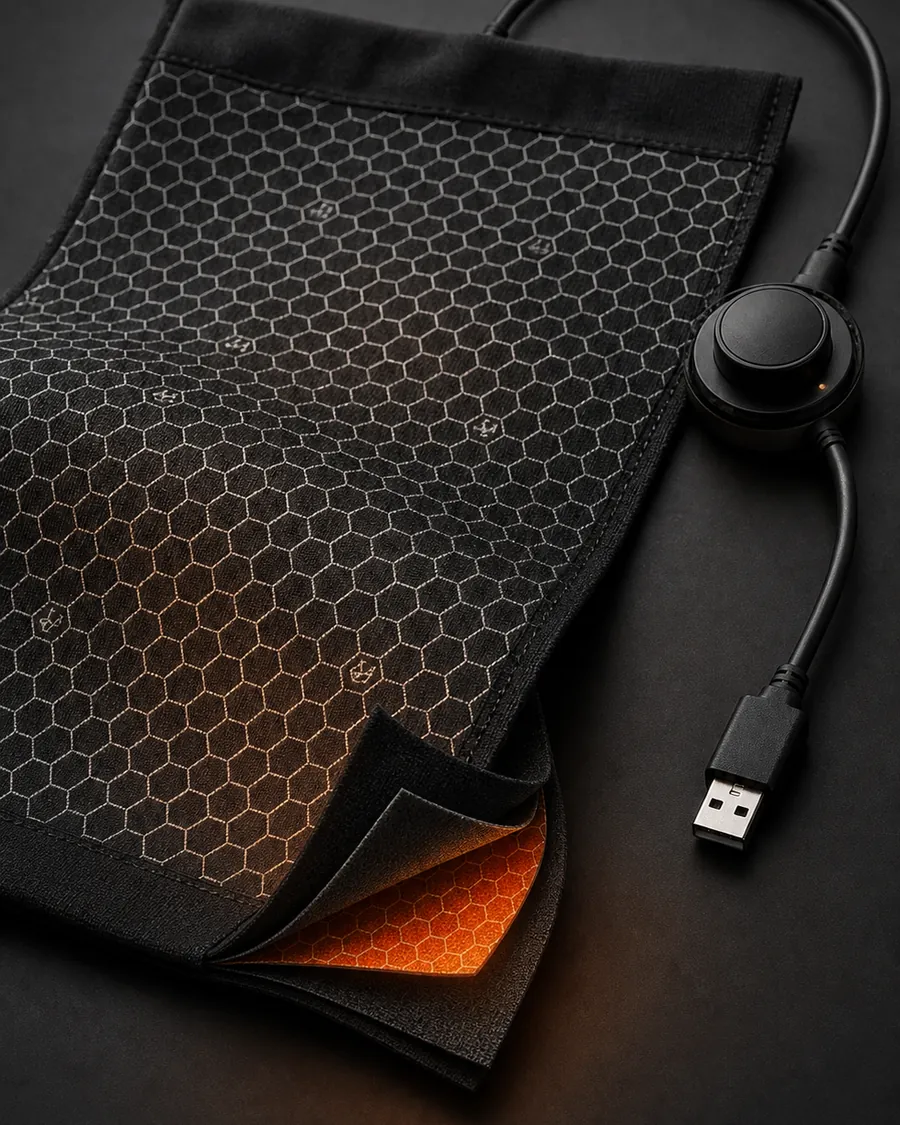 Product-based engineering visual
Heterostructured conductive network
The supplied material documentation describes a hybrid CNT and graphene network applied to a textile carrier. CNT pathways provide the conductive framework while graphene-like contact surfaces reinforce the network, supporting broad-area heat and repeated flexing.
Visual is an engineering illustration. Final layer stack, electrode design and performance are confirmed for each customised product.
Current engineered platforms
The latest product-design boards show how THERMOVEX combines different material series, voltage platforms, controllers and large-area control architectures for real OEM and ODM programs.
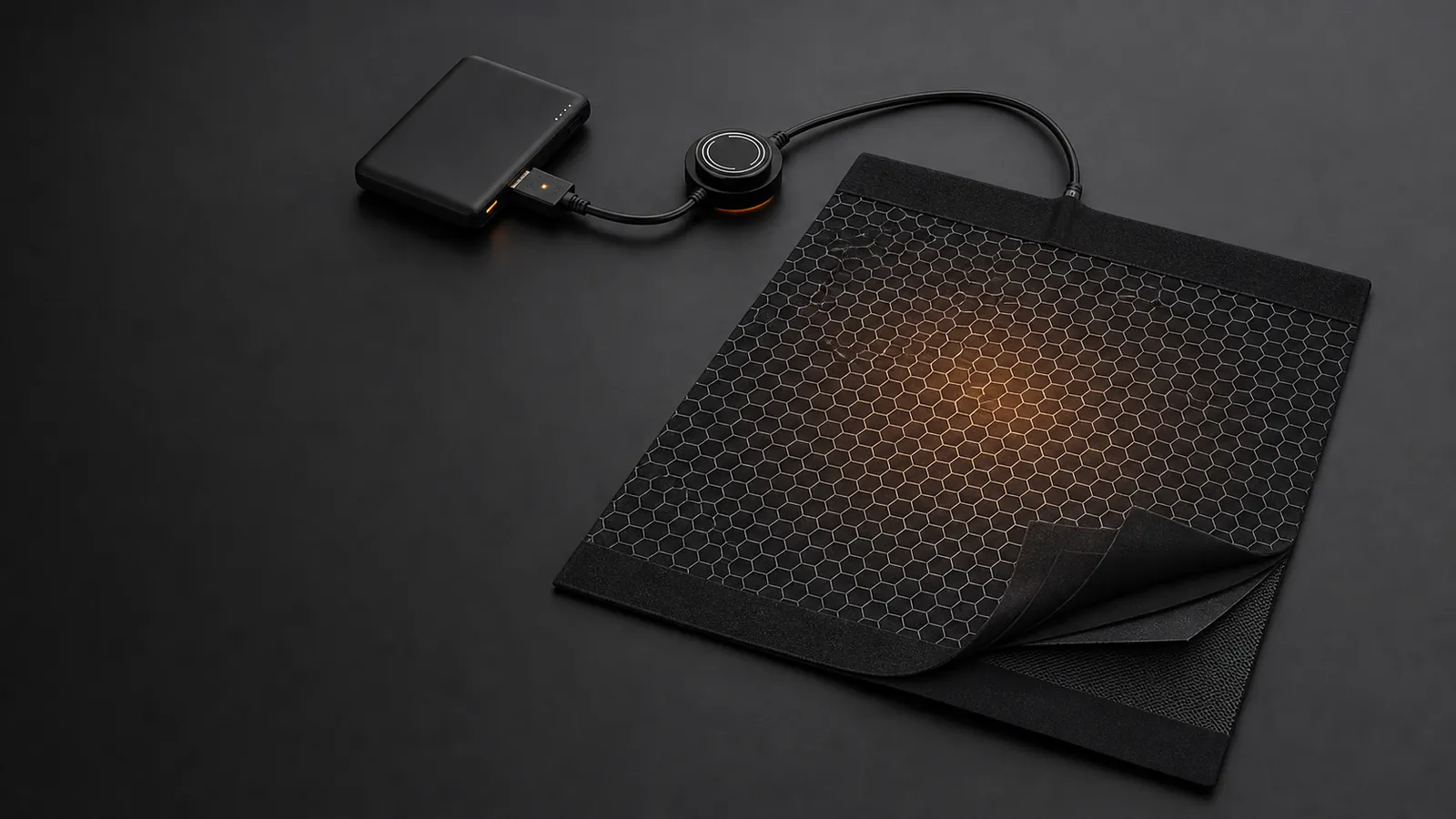
Nano-carbon textile, sensing, wiring and smart control presented as one integration-ready architecture.
USB power · integrated sensor · 100-wash referenceView platform details →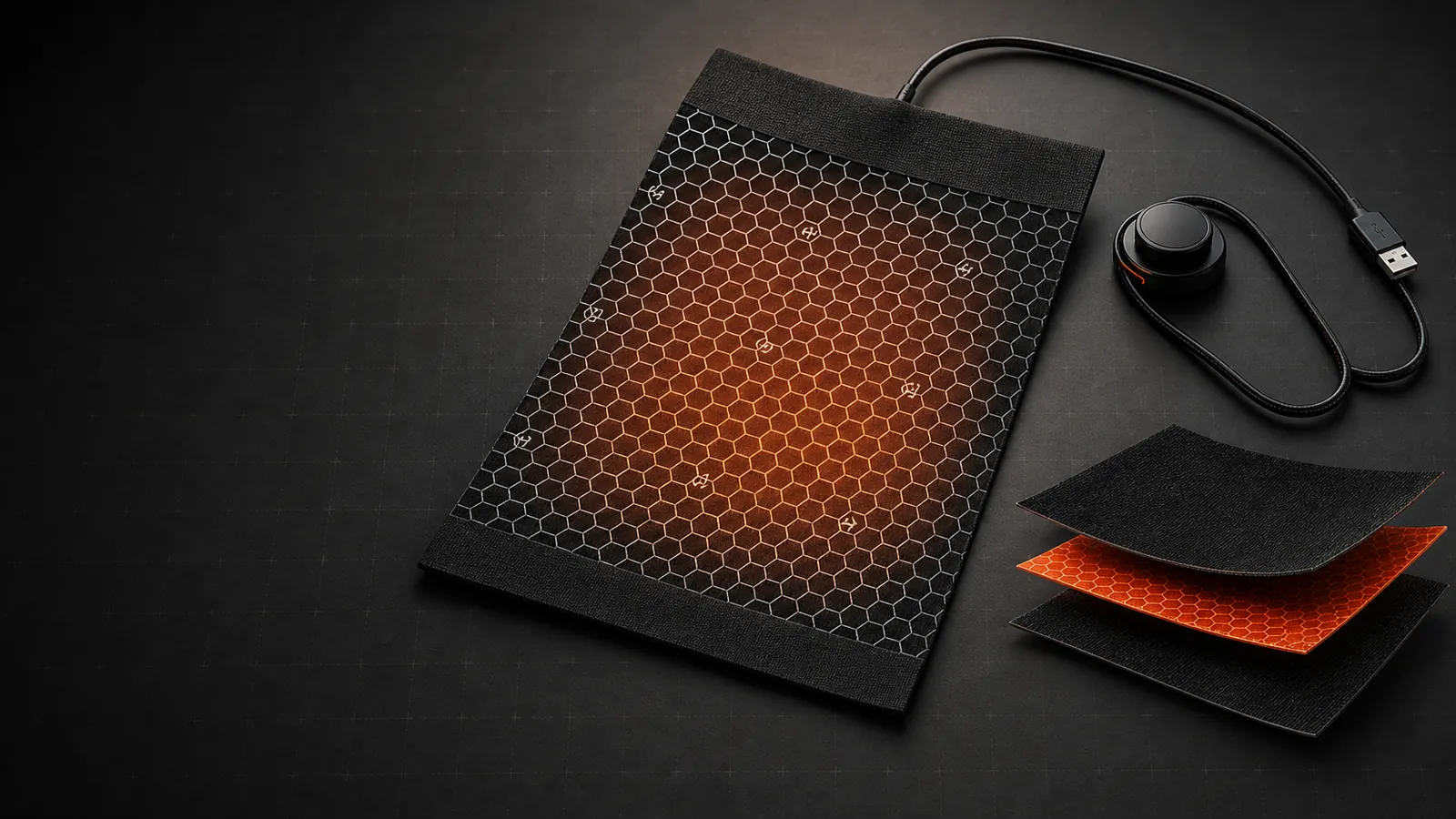
Ultra-thin whole-surface heating for soft products that need wide coverage and repeated flexing.
0.3 mm · 100 washes · ≤5°C surface variationView platform details →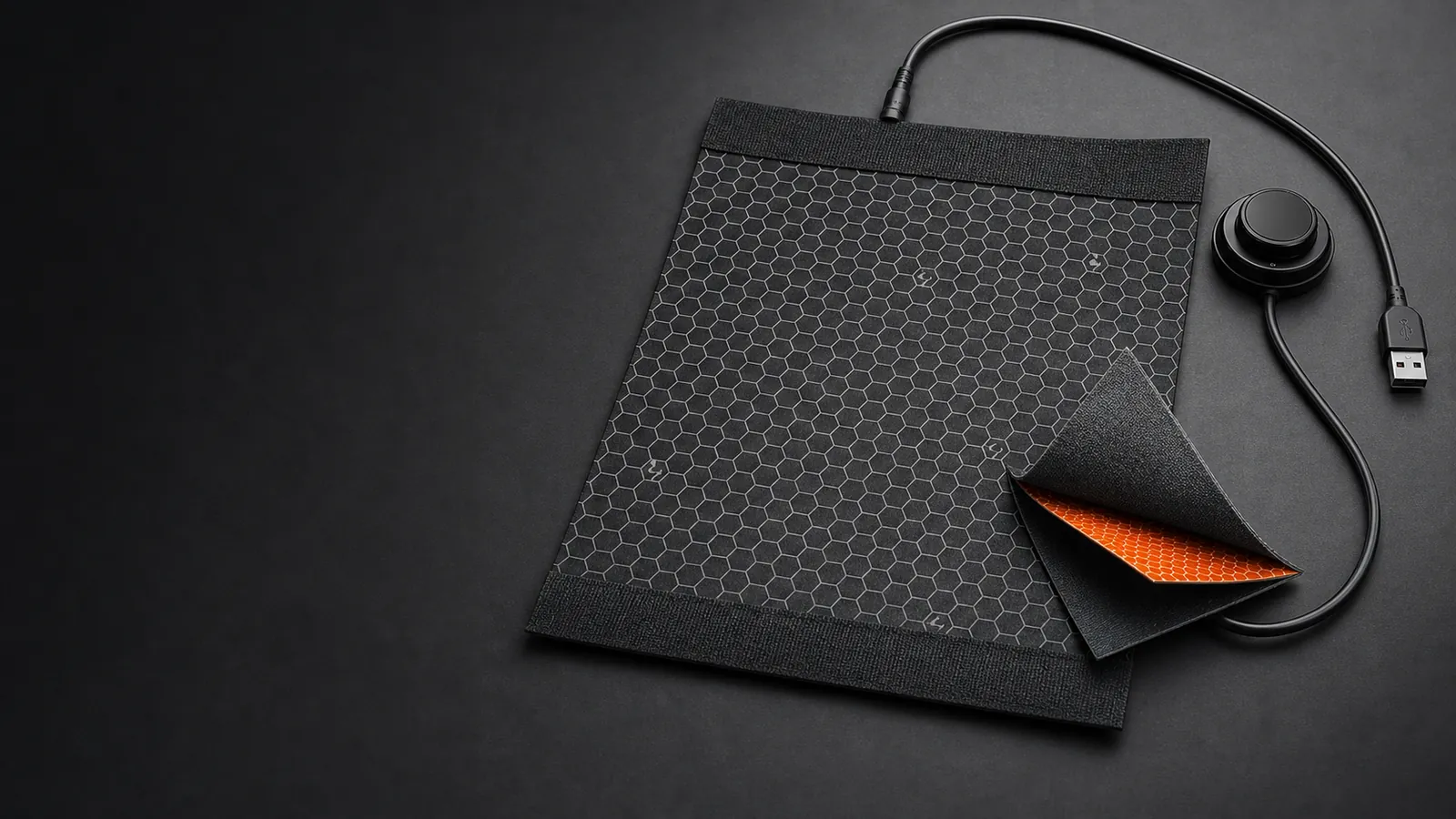
A versatile USB platform for wearable, accessory and compact comfort integrations.
0.35 mm · 50 washes · 60%+ active areaView platform details →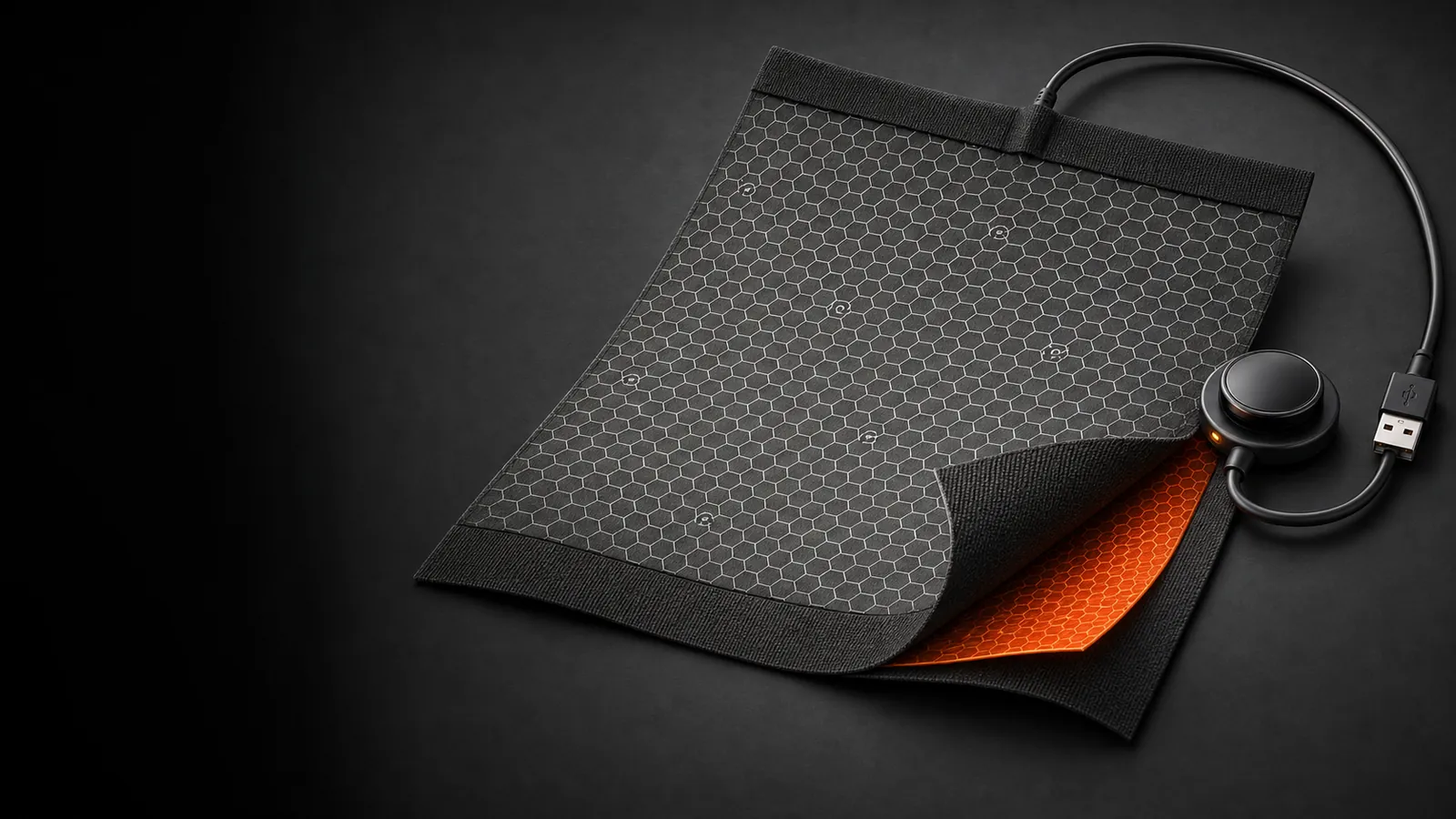
Higher-coverage 12V heating for workwear, seating and larger portable surfaces.
12 V · 100 washes · 70% active areaView platform details →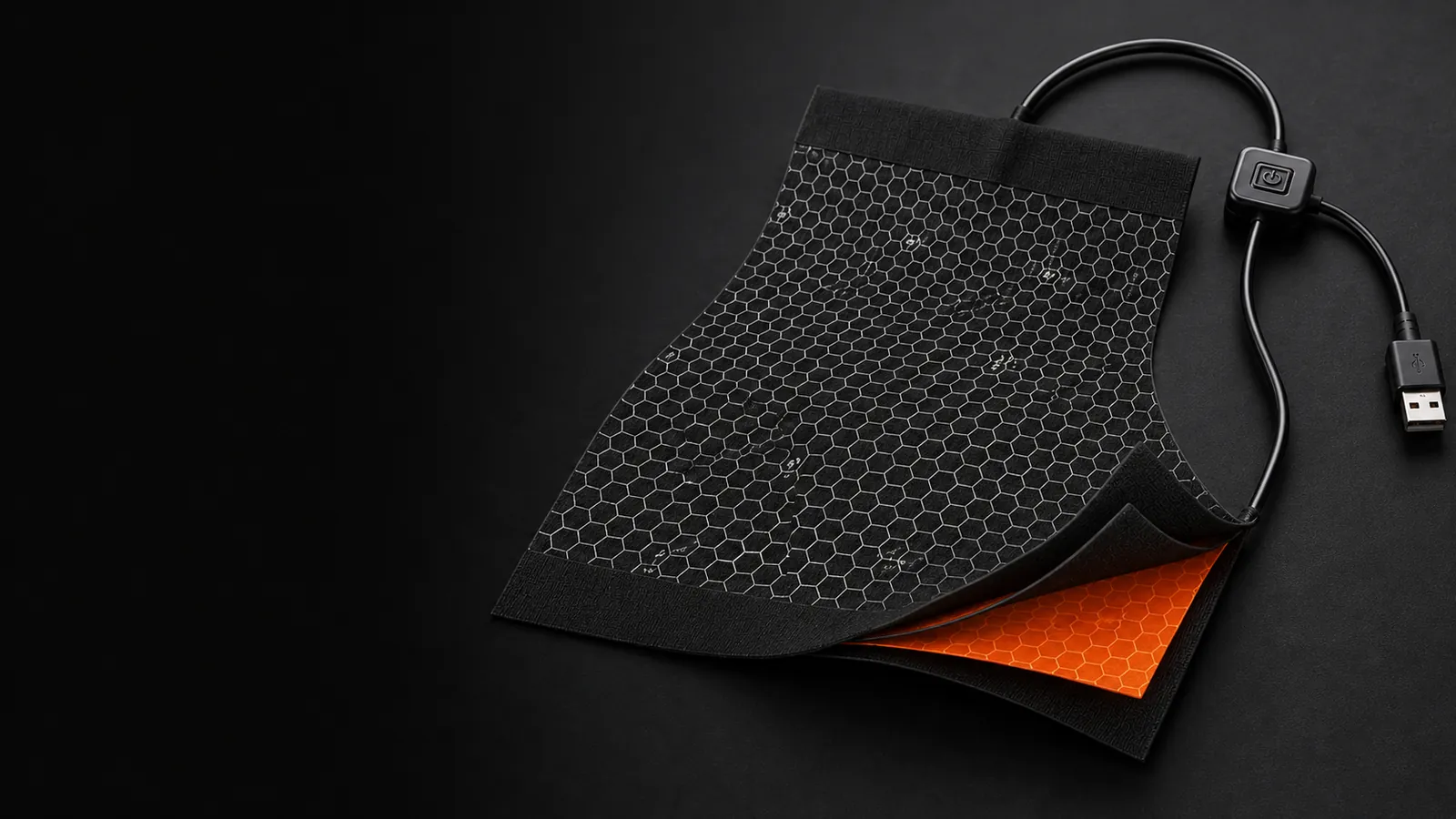
Compact USB-powered heating for light wearable products and small soft-goods formats.
5 V · ≥30 washes · 0.3 mmView platform details →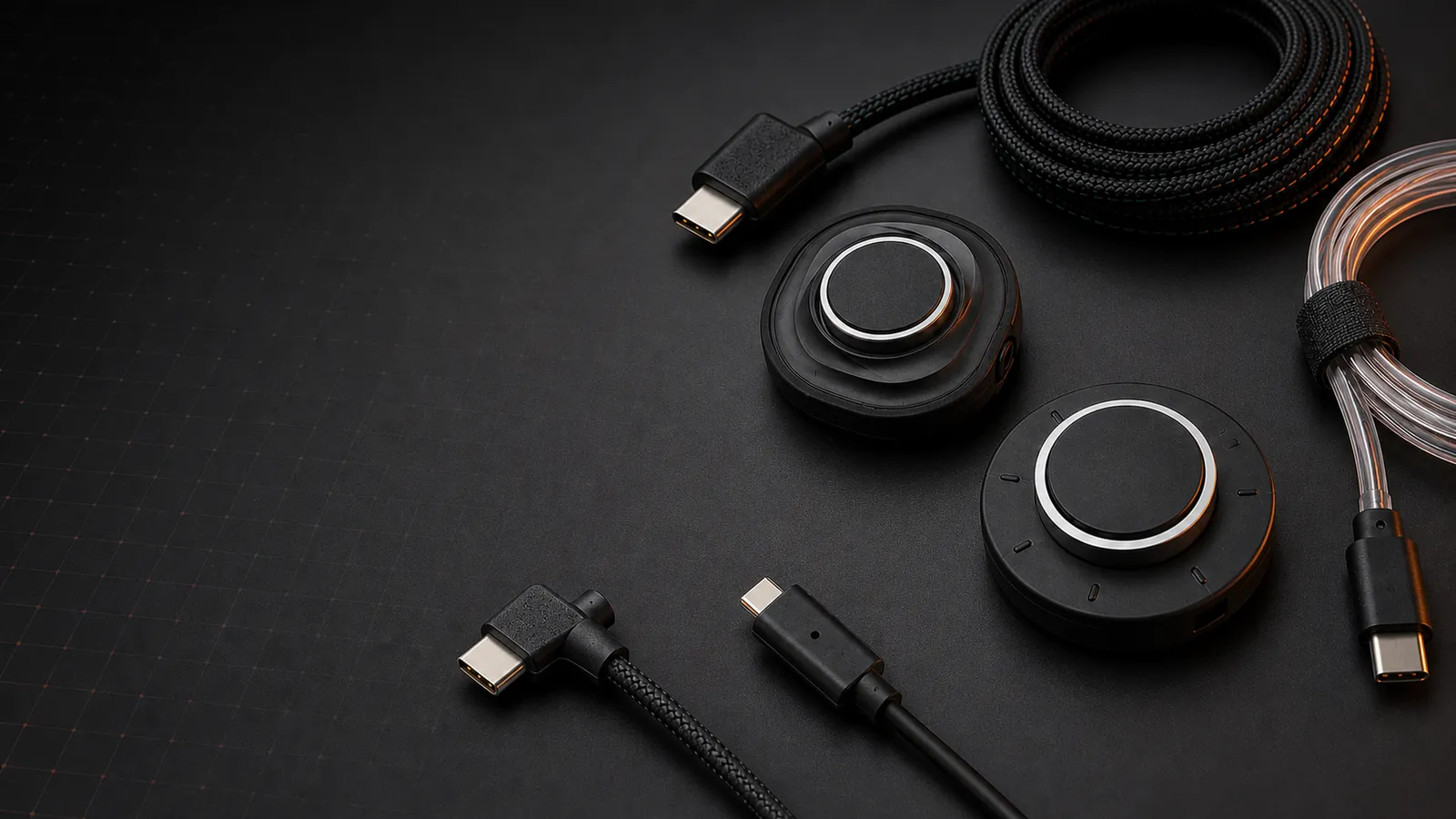
Lotus and Ring controller formats for different assembly, heat-level and connector requirements.
12 V / 1.5 A · 3–4 levels · layered protectionView platform details →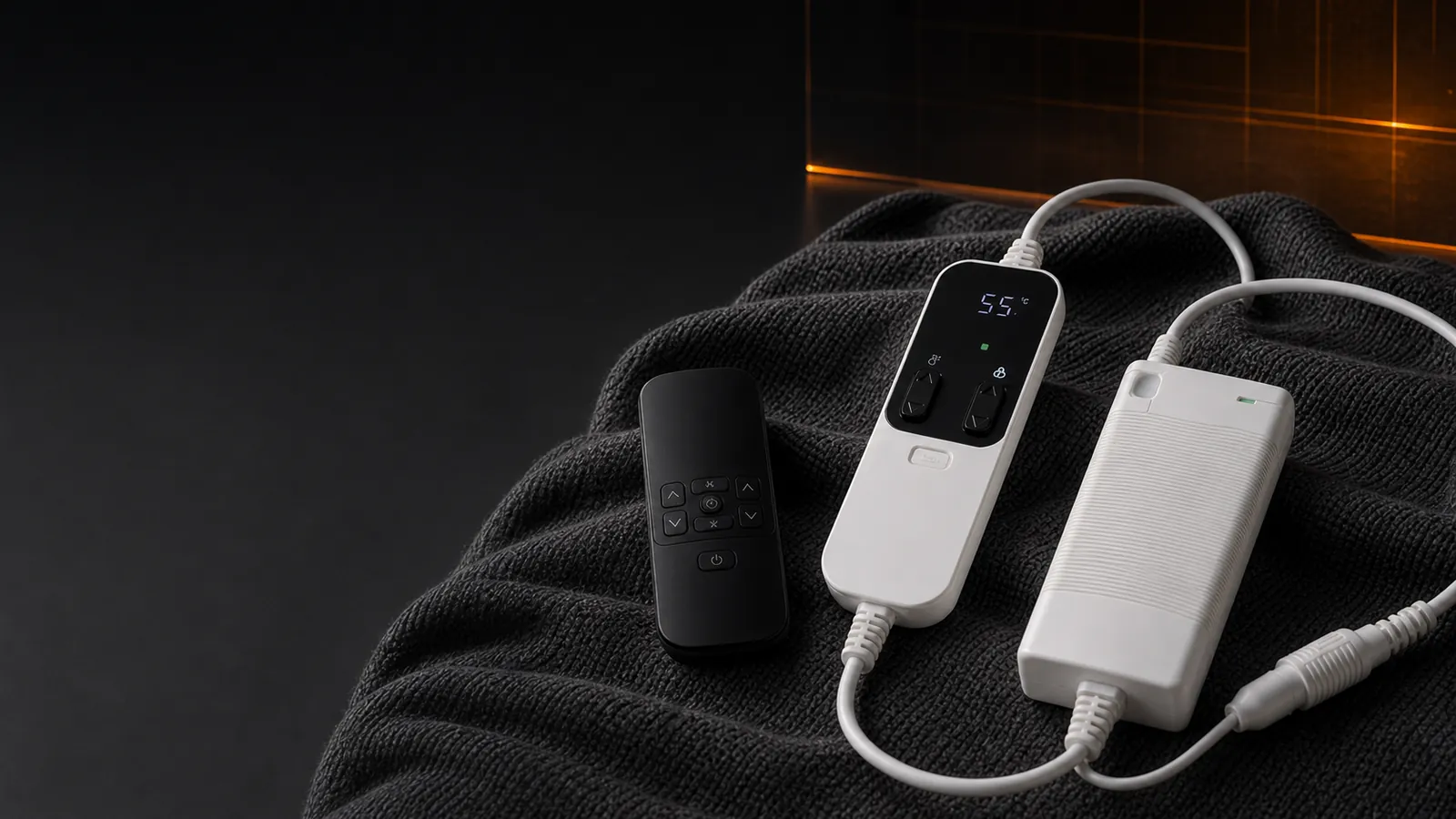
Single-zone or dual-zone temperature management for mattresses and broad home-textile surfaces.
24 V · 2 A / 3 A / 4 A · single or dual zoneView platform details →Series figures shown above are reference values from the supplied engineering boards. Final voltage, current, resistance, temperature, active area, controller logic and validation scope are confirmed for each customised product.
Engineering evaluation
Performance depends on more than peak temperature. The submitted comparison evaluates physical integration, heated coverage, surface consistency and stability after washing.
The submitted comparison sample combines a CNT and graphene heating element with a polyester textile construction designed to remain soft and low-profile.
Active area was calculated as the observed heating area divided by the complete heater area. The documented THERMOVEX reference sample measured 68.57%.
Four surface points were recorded under a 0.5 cm flame-retardant cotton cover on 1 cm insulation, with the curve spread used to assess uniformity.
The submitted method references GB/T 13769-2009 and GB/T 8629-2017, using ECE detergent, the 4N program, hang drying and resistance tracking.
Thermal mapping method
In the supplied method, samples were tested at the same 5 V condition. Four temperature points were recorded over time; the distance between the curves indicates surface uniformity. Results remain specific to the documented samples and setup.
Submitted sample comparison
A transparent view of the values supplied in the technical deck. This is a comparison of specific samples—not a universal statement about every product in each material category.
| Evaluation item | Carbon-fiber fabric | Graphene sheet | CNT fabric | THERMOVEX nano-carbon fabric |
|---|---|---|---|---|
| Heating element | Carbon fiber | Graphene | CNT | CNT + graphene |
| Thickness | 0.516 mm | 0.480 mm | 0.283 mm | 0.301 mm |
| Construction | Nonwoven / polyester | PET / PI | Polyester textile | Polyester textile |
| Flexibility | Relatively soft | Rigid | Soft | Soft |
| Active heating area | 3% | 70% | 18% | 68% |
| Heating-zone spread | 14.2°C | 4.1°C | 12.1°C | 6.6°C |
| Wash result | 15 cycles | Not washable | 40 cycles | 100+ cycles |
Source scope: figures are transcribed from the supplied intelligent temperature-controlled heating system documentation. Test conditions, sample size and construction affect results.
Soft S platform
Soft S is the textile heating configuration described in the supplied product deck. It is designed for large-area, low-profile integration where hand feel and repeated flexing matter.
Performance statements above are as reported for Soft S in the supplied product documentation and should be confirmed for each production configuration.
Reference electrical architecture
The platform supports portable 5 V systems through larger 24 V surfaces. These are reference configurations from the supplied documentation; final voltage, resistance, wattage, temperature and protection limits are engineered against the finished product.
Heated apparel, wraps, cushions and compact accessories
Workwear, outdoor systems and compact multi-zone products
Vehicle seating, sleeping systems and specialist portable products
Mattress zones, furniture, tent panels and broad home-textile formats
Product integration rules
A flexible heater is only useful when its active area, sewing margin, sensor, leads and power access all survive the way the finished product is worn, folded, washed and serviced.
Keep the active surface aligned with the real contact area and clear of folds, pressure points and hard trims.
Pattern margins are reserved for stitching so the conductive network and current collectors remain protected.
The temperature sensor is placed where it represents the operating surface, not simply the controller output.
Leads, connectors and power pockets are routed around flex, moisture, abrasion and user-access requirements.
Temperature control
THERMOVEX combines embedded temperature sensing, regulated output and protection logic. Standalone and connected controllers can be selected around the finished product.
Temperature sensing inside the heating system supports closed-loop control instead of relying on power level alone.
Regulated PWM output helps hold the selected temperature more consistently as operating conditions change.
Documented controller configurations cover four closed-loop levels across approximately 37–57°C with color indication.
Open-circuit, short-circuit, overcurrent and overtemperature protection are built into the submitted control architecture.
The supplied design defines a safe temperature ceiling and enters sleep after three hours of continuous heating.
Bluetooth, app or mini-program control, timers, step-count expansion and garment-removal detection can be configured by project.
Safety by architecture
Product safety is configuration-specific. The supplied system architecture layers sensing, electrical protection, thermal limits and time-based shutoff before final-product validation.
Broad heating reduces reliance on isolated high-temperature lines.
High-precision thermistor feedback monitors the operating surface.
Open circuit, short circuit, overcurrent and overtemperature logic.
Defined safety ceiling and three-hour continuous-heating sleep mode.
Engineering integration
Material selection and control logic are developed against the real geometry, use case and market.
Product geometry, target market, heat zone, voltage and use cycle.
Material grade, resistance, power density, sensor and controller.
Fit, thermal mapping, comfort and interface samples.
Wash, bend, electrical safety and market-specific compliance plan.
Manufacturing transfer, quality limits and repeatable production.
Start with the engineering question
Share the product, market, dimensions, voltage, temperature range and estimated volume.
Discuss your project →